Three lenses.
One integrated view.
Land is complex. Single-metric approaches create blind spots. We measure what matters across ecology, operations, and community— then show how they compound together.
Most tools measure one thing well.
Reality doesn't work that way.
Carbon markets
Blind spot: Community displacement, infrastructure neglect
Projects stall when social license evaporates
Biodiversity programs
Blind spot: Economic sustainability, operational capacity
Conservation collapses without ongoing funding
Agricultural intensification
Blind spot: Soil degradation, water table decline
Short-term yields, long-term land degradation

Each approach optimizes one dimension while creating problems in others. The gains in one area are offset by losses elsewhere.
Net outcome: fragile systems.
Three pillars. Integrated.
Not three separate assessments bolted together—a unified framework where each dimension informs the others.

Biological
The living systems
Soil health, water cycles, species diversity, carbon flows. The ecological foundation that sustains everything else.
- —Soil carbon measurement
- —Native species corridors
- —Water retention capacity
- —Habitat connectivity

Infrastructure
The built capacity
Water systems, access roads, processing facilities, storage. The physical infrastructure that enables operations.
- —Water capture & distribution
- —Processing facilities
- —Access networks
- —Energy systems

Livelihood
The human dimension
Employment, skills transfer, community benefit, cultural value. The social outcomes that create lasting change.
- —Local employment
- —Skills development
- —Community engagement
- —Economic returns
Each pillar strengthens the others
Healthy watersheds reduce water infrastructure costs. Native vegetation stabilizes roads. Carbon-rich soil requires less irrigation.
Processing facilities create local jobs. Access roads enable tourism. Water systems support diversified production.
Engaged communities protect ecosystems. Local employment reduces pressure for short-term extraction. Skills transfer enables ongoing restoration.


This isn't theory. It's what we've observed over six years of ground-truthed operations in the Wet Tropics.
Integration compounds.
Built on science, not assumptions

Every feature mapped. Every trait measured.
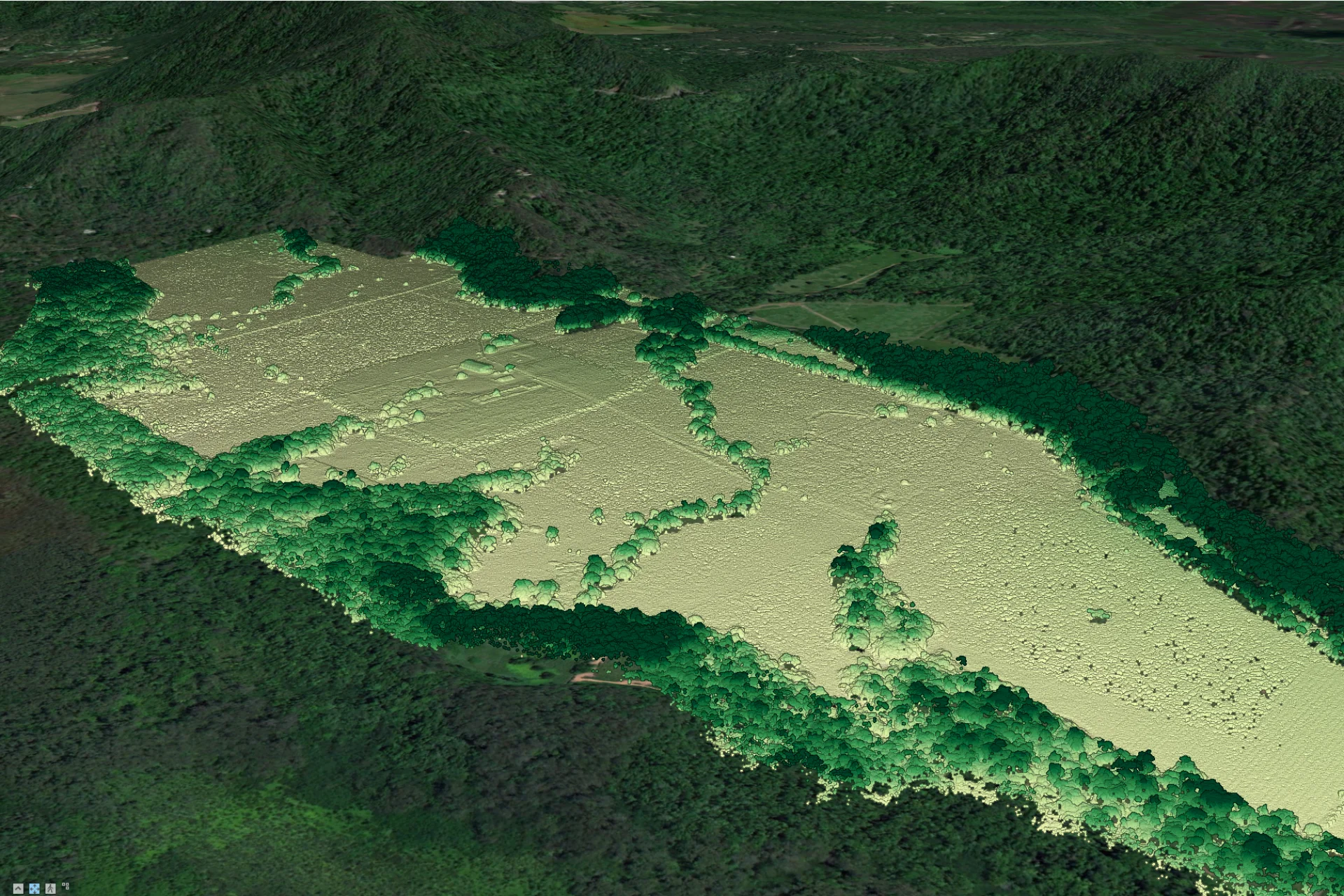
Point cloud scanning combined with feature-by-feature analysis creates a living digital representation of the land.
Traceable calculations
Click any number. See the calculation chain, the source data, the constants used, and the original research citations. No black boxes.
Conservative estimates
When uncertainty exists, we err on the side of caution. Better to under-promise and over-deliver. Credibility is built on accuracy.
Ground-truthed validation
Six years of real-world data from Far North Queensland. When models didn't match reality, we adjusted the models.
Open methodology
Our calculation approaches are documented and based on internationally recognized standards: FAO, IPCC, Verra, USDA, WMO.

See it in practice
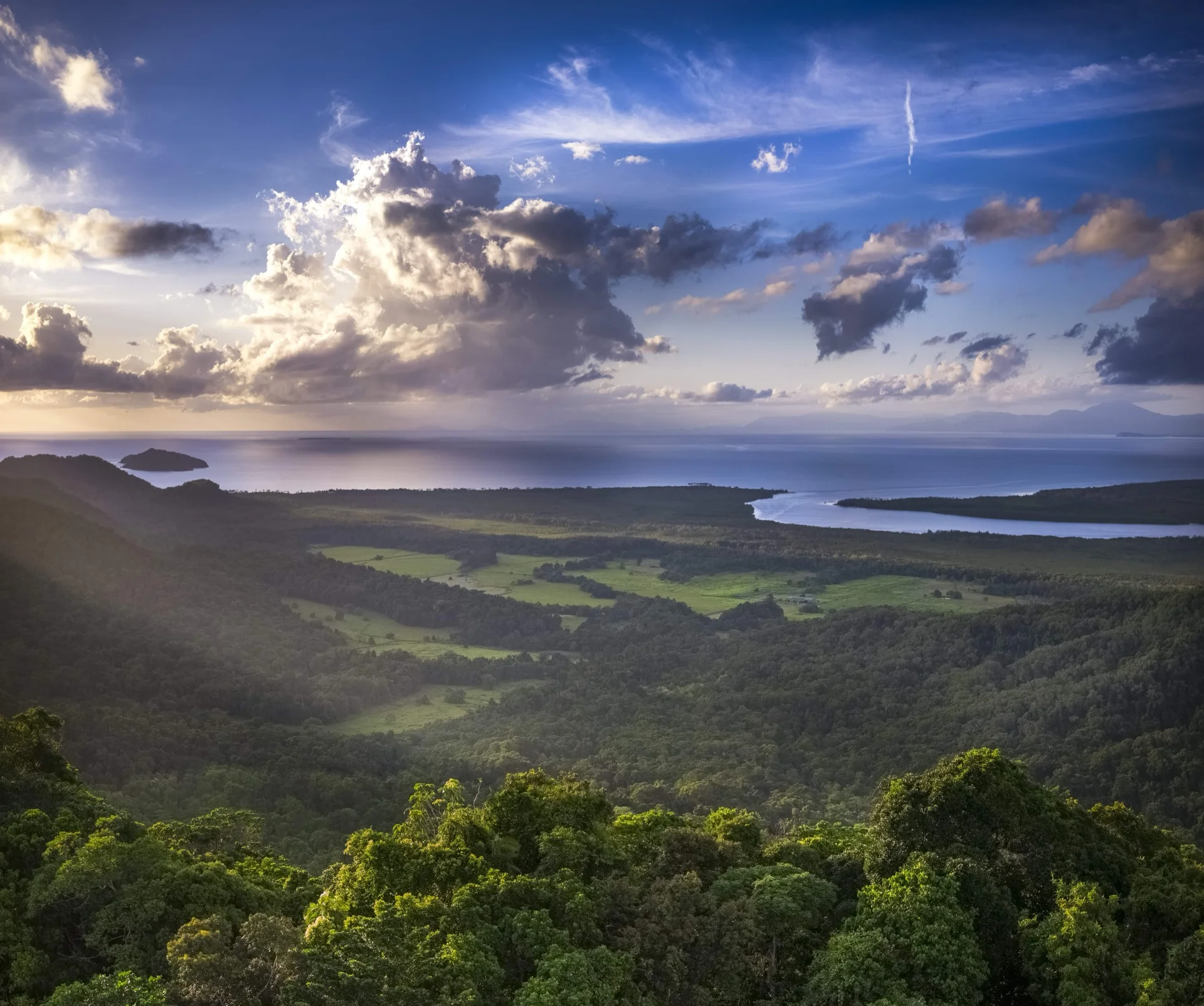
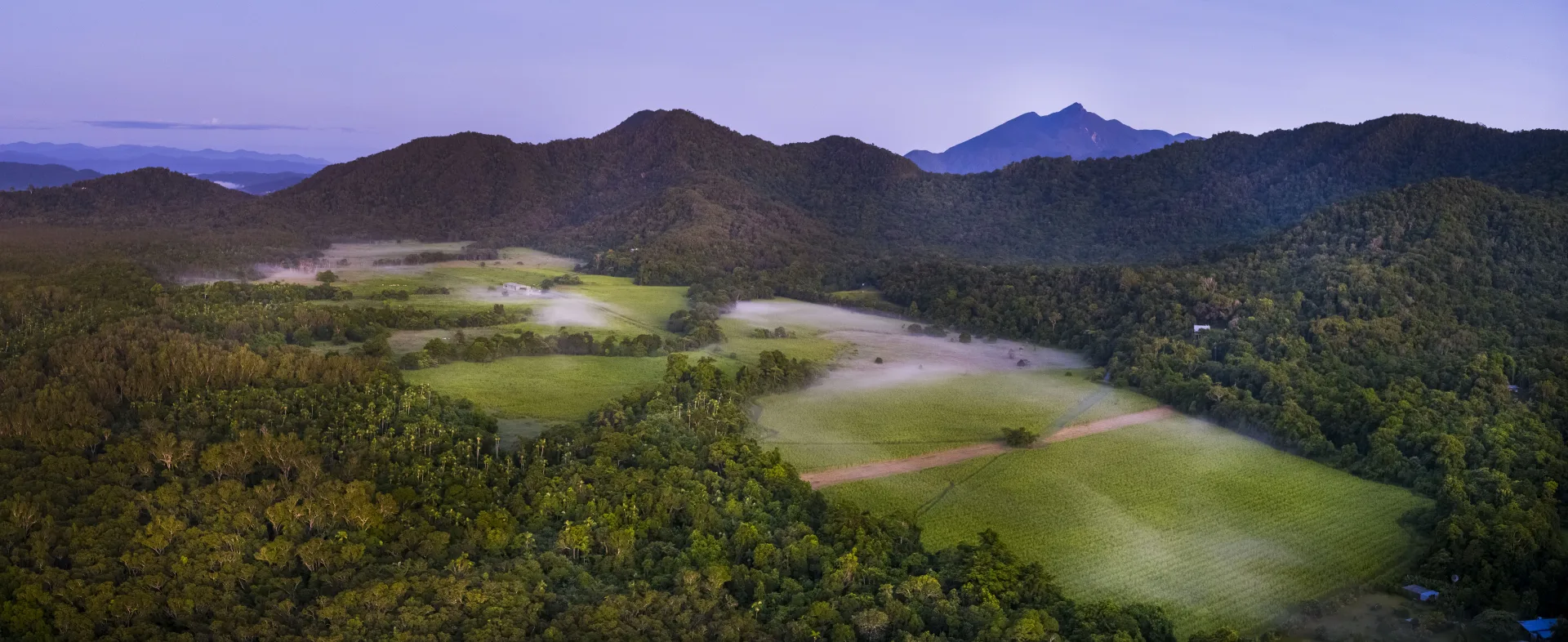
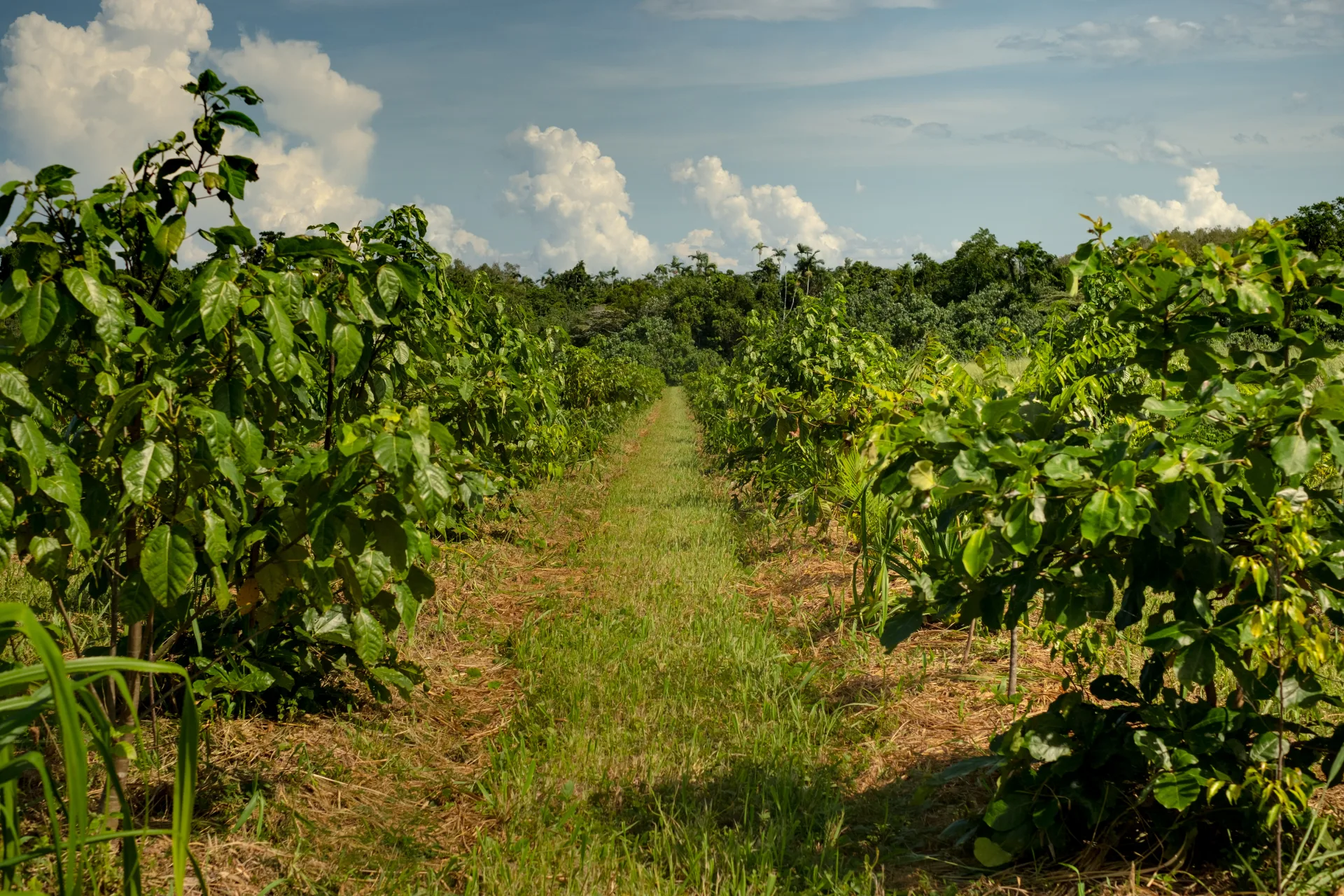
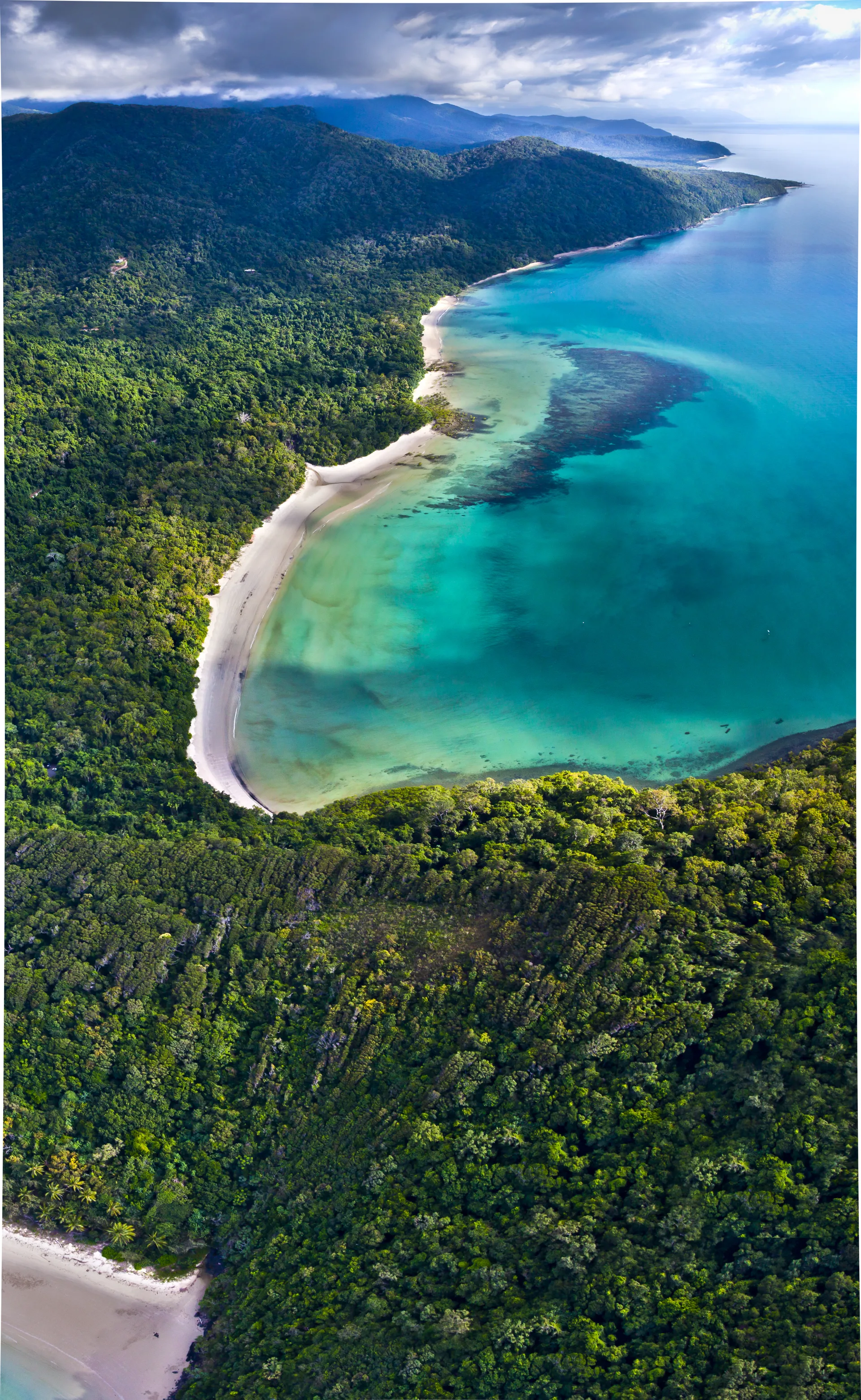
Cape Kimberley demonstrates what happens when the three pillars are integrated over six years of continuous operation.